
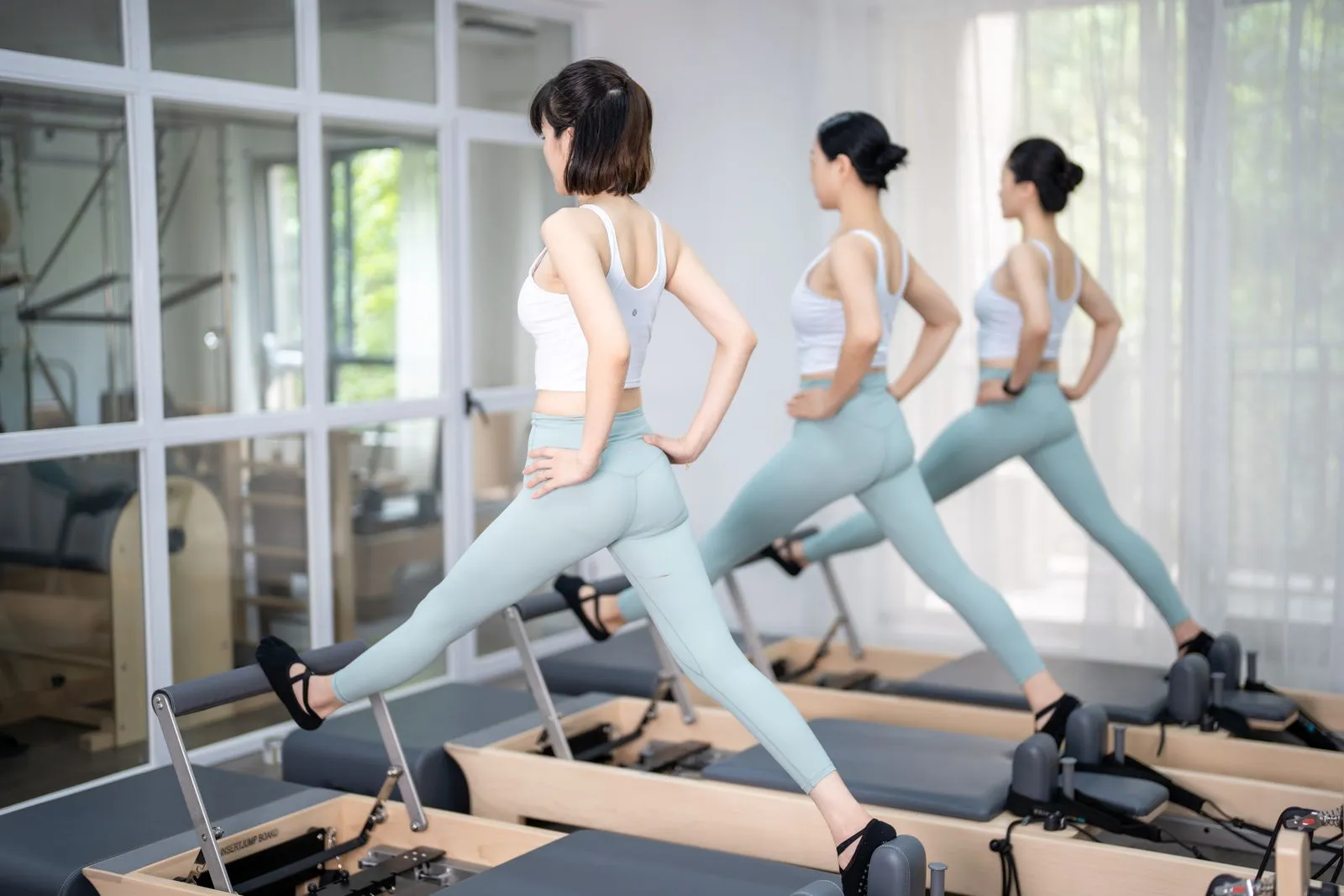
Pilates uses deliberate movements, steady breathing, and attention to alignment to challenge the body without relying on momentum. Over time, regular practice can help you develop strength, balance, and greater ease through your comfortable range of motion. The goal is not to force a deeper stretch or master a difficult pose. It is to move with control, notice how your body responds, and build skills that support daily activities such as walking, reaching, and getting up from a chair.
Build strength with control
Pilates exercises often ask you to support your body while moving one part at a time. For example, you might keep your torso steady as your arms reach or your legs move. This controlled effort engages muscles that help stabilize the hips, trunk, and shoulders. A qualified instructor can adjust the movement or equipment so the challenge suits your current ability.
Slow, precise practice can also make it easier to notice whether you are compensating with another part of your body. If a movement feels strained, smaller motions or a modified position may help you maintain good form. Strength develops through consistent, manageable practice—not by pushing through pain or trying to keep pace with someone else.
Improve balance and coordination
Balance depends on more than standing still. Your body coordinates muscles, posture, and attention as you shift weight, reach, or change direction. Pilates practice can include movements that challenge this coordination, such as maintaining a stable position while an arm or leg moves. Starting with support and gradually adjusting the challenge can help you practice safely.
Focus matters, too. Paying attention to where your weight rests and how your body responds can help you make more deliberate adjustments. These skills may carry into everyday tasks, such as stepping over an obstacle or turning to reach for something. Progress varies, so choose exercises that feel steady and appropriate rather than treating balance work as a test.
Explore comfortable mobility
Mobility is your ability to move a joint through a useful range with control. Pilates can help you practice movements such as bending, rotating, and reaching while maintaining awareness of alignment and breath. The aim is to explore a comfortable range—not to force a joint farther than it naturally wants to go.
If a movement feels sharp, causes numbness, or leaves you uncomfortable afterward, stop and tell your instructor. They can offer a gentler variation, but ongoing or unexplained symptoms should be discussed with a health professional. Let your instructor know about injuries, limitations, or movements you have been advised to avoid before class begins.
Make practice work for you
A useful Pilates routine starts with a clear goal and a level you can sustain. You might focus on controlled trunk movement, steadier balance, or moving your shoulders comfortably. In class, ask for a modification when needed, take breaks, and choose a range that lets you keep breathing without bracing or rushing.
Consistency is more useful than forcing a demanding session. Notice practical changes over time, such as feeling more confident with a familiar movement or finding it easier to maintain control. In small-group classes at Mesa Movement Pilates, you can share your goals with the instructor and ask how to adapt exercises to your needs.
Pilates can support strength, balance, and comfortable mobility by pairing focused attention with controlled movement. Work within a range that feels manageable, adjust exercises when needed, and seek guidance if you have concerns about pain or injury. If you would like help choosing an appropriate starting point, consider asking a Pilates instructor about your goals.